


Hotfix vs Non-Hotfix Rhinestones: Which Application Method Should You Choose?
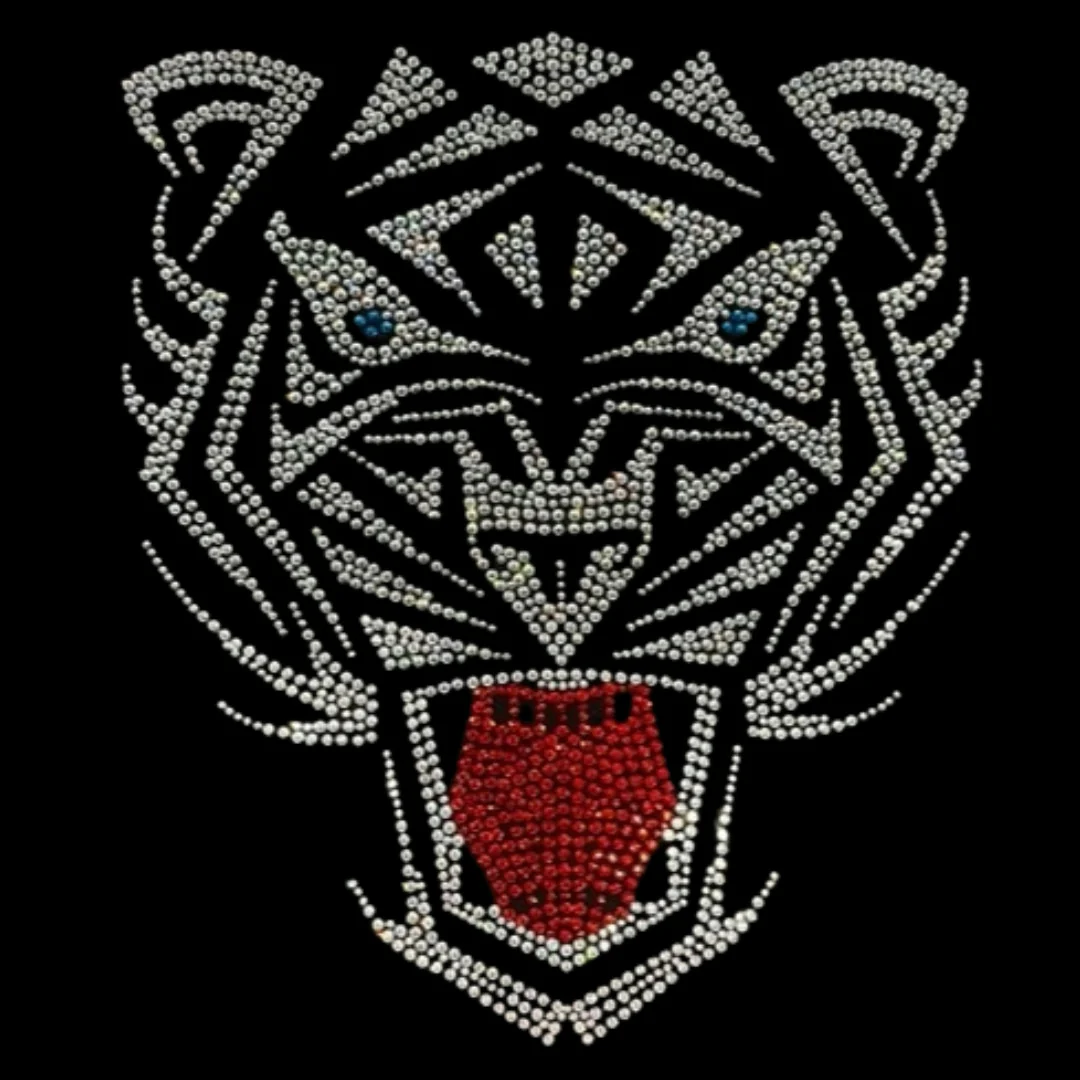
What are hotfix rhinestones?
Hotfix rhinestones have a heat-activated adhesive on the back. When heat is applied, the adhesive softens and bonds the stone to the surface. The supplied reference states that hotfix rhinestones use heat and adhesive backing for applications such as garments and bags. They are sometimes called iron-on rhinestones because a heat source is required. The heat can come from a household iron, a heat press, or another tool that delivers sufficient heat to melt the adhesive. The exact temperature and pressure needed are not provided in the supplied facts, so you must ask your supplier for application guidance.
Hotfix stones are convenient for flat fabric surfaces because you can place the stone and then apply heat over it. The adhesive is already on the back, so you do not need to handle glue separately. This can speed up production when working on garments, fabric patches, or bags. However, heat application may not work well on surfaces that cannot tolerate heat or that are not flat. The supplied facts do not list limitations, but it is wise to test on a small area first.
What are non-hotfix rhinestones?
Non-hotfix rhinestones do not have a heat-activated adhesive. They are applied with glue. According to the supplied facts, non-hotfix rhinestones can be used on nails or curved surfaces. This makes them useful for curved objects where a flat heat press or iron would be difficult to use. With non-hotfix stones, you choose an appropriate glue and apply it to the stone or the surface, then place the stone. The glue type is not specified in the supplied facts, so you must confirm the recommended adhesive with your supplier or follow your own tested method.
Non-hotfix stones are also a good choice when you want to place stones individually on irregular surfaces. Nail art, curved phone cases, or decorative objects often require this flexibility. Because there is no heat, the surface does not need to tolerate heat exposure. The supplied facts do not state which glue is best, so always check the stone material and the surface before choosing an adhesive.
Heat application vs glue application
The main difference is the application method. Hotfix needs a heat source to melt the adhesive. Non-hotfix needs glue applied by the user. If you are working on flat fabric areas such as garments or bags, hotfix can be convenient. If you are working on nails or curved surfaces, glue-on non-hotfix stones are the stated option. The supplied facts do not specify temperature, pressure, or glue type, so ask your supplier for application guidance.
Here is a practical comparison based on the supplied facts:
- Hotfix: Heat + adhesive backing, used for garments and bags.
- Non-hotfix: Glue + stone, used for nails or curved surfaces.
When choosing, consider whether you have access to a heat source and whether the surface can withstand heat. For curved or heat-sensitive surfaces, non-hotfix is likely the better route. For flat fabric items, hotfix may save time. The supplied facts do not mention issues like adhesive residue, washing durability, or removal, so you should test a sample under your real use conditions.
Glass vs plastic/resin rhinestones
Rhinestones may be glass or plastic/resin. The suitable choice depends on the project. For example, glass may provide a different sparkle or weight, while plastic/resin may be lighter and easier to handle. The supplied facts do not say that one material is always better; project requirements determine the best choice.
Glass rhinestones are often heavier and may have a more brilliant optical quality. Plastic/resin stones are typically lighter and less expensive, but the supplied facts do not confirm these general assumptions. It is essential to confirm the exact material composition with your supplier and test it for your specific project. If you are decorating a delicate garment, the weight of the stone may matter. If you are working on nails, the thickness and shape of the stone may affect adhesion.
Because the supplied facts do not specify performance characteristics, you should ask for samples before committing to a large order. This is especially important when the stone material must meet durability or appearance expectations.
Rhinestone size labels and availability
Common size labels include S0, S3, S4, S6, S8, S10, S12, S16, S20, S30, S34 and S40. These labels apply to rhinestones generally, regardless of whether they are hotfix or non-hotfix. The supplied reference notes that not every colour and size combination is always available. Buyers should confirm colour, size and quantity before ordering.
Typical small-pack quantities supplied by the business reference are 10 gross for S0-S20, 2 gross for S30, and 1 gross for S34-S40. However, exact availability and pack sizes must be confirmed with the supplier. A gross usually means 144 pieces, but you should verify the piece count because different suppliers may use different definitions.
When you plan a project, it is easy to assume that if a colour is available in one size, it must be available in all sizes. The supplied facts explicitly warn that this is not always true. For example, a popular red colour may be made in S16 but not in S40. Therefore, always confirm the exact size and colour combination before ordering.
Which application method should you choose?
Choose hotfix rhinestones when you plan to apply them to garments or bags using heat. Choose non-hotfix rhinestones when you plan to use glue on nails or curved surfaces. Also consider the material of the stone and the surface you are adhering to. There is no universal answer; the correct method depends on the project. Once you know your application method, you still need to confirm size, colour and quantity with your supplier.
Here is a simple selection checklist based on the supplied facts:
- Identify the surface you will decorate. Is it fabric, like a garment or bag? Or is it a nail or a curved object?
- If the surface is fabric and can tolerate heat, hotfix rhinestones are the supplied option.
- If the surface is a nail or curved and heat is not suitable, non-hotfix rhinestones are the supplied option.
- Choose the stone material: glass or plastic/resin. Confirm with your supplier what is available.
- Select the size label(s) you need. Confirm that the desired colour is available in that size.
- Confirm the pack quantity and order accordingly.
Common mistakes to avoid:
- Assuming hotfix rhinestones can be used on surfaces that cannot tolerate heat, such as plastic or delicate synthetic fabrics.
- Assuming non-hotfix rhinestones cannot be used on fabric. The supplied facts only state they can be used on nails or curved surfaces, but with the right glue they might work on fabric too; however, this is not confirmed in the supplied facts, so test first.
- Assuming every colour is available in every size. The supplied facts explicitly warn this is not guaranteed.
- Forgetting to confirm the exact pack quantity. The typical small-pack quantities are 10 gross for S0-S20, 2 gross for S30, and 1 gross for S34-S40, but these are only typical for the reference supplier.
How to confirm your order details
Because not every colour and size combination is always available, contact your supplier with the exact colour, size and quantity you need. If you require a particular material, such as glass or plastic/resin, state that as well. Exact availability, pricing, shipping and commercial terms require human confirmation. Do not assume these details from list pricing or pack quantities.
When you contact the supplier, provide a clear list: the rhinestone type (hotfix or non-hotfix), the material (glass or plastic/resin), the size label (e.g., S16), the exact colour name or code, and the quantity you need. Ask for a sample or a sample card before large orders. Confirm the piece count per pack and any MOQ. The supplied facts do not list MOQ, pricing, lead time, or shipping terms, so you must obtain them from the supplier. Also confirm whether the stones are suitable for your intended application method, especially if you are doing nails or curved surfaces with non-hotfix, or garments with hotfix.
Remember that the supplied facts do not include installation instructions, washing guidelines, or durability promises. Use your own testing and ask the supplier for technical guidance. This will help you avoid mistakes and ensure your project succeeds.